Platform and DevOps engineering, including ongoing operation of what we build
Kubernetes, cloud and CI/CD platforms designed to run reliably and then operated: shared on call, SLOs, cost guardrails, and a name attached to uptime. Built for platforms that carry promotional traffic peaks, release approval processes and stated availability obligations.
Signs a platform isn't fully under control
Before anything else, that one question tends to reveal whether a platform is actually under control. Six signals the answer isn't good enough yet:
OWNER
No named owner. Reliability sits with whoever is online, which becomes a finding the first time an auditor asks who is accountable.
COST
Cost drift. Cloud spend rising faster than usage, and impossible to attribute back to a market, a brand or a business line.
DRIFT
Silent drift. Infrastructure code and reality have diverged, so the environment cannot be evidenced as configured.
PROCESS
Tribal incident response. Fixes depend on who remembers last time, and post incident reporting takes days to assemble.
RELEASE
Fragile releases. Deployments feel risky rather than routine, and freeze windows keep getting extended.
VISIBILITY
Customer discovered outages. Dashboards find out after users do, usually during the busiest trading hours.
None of this gets fixed in one sweep. Treating it like a single project usually means finishing with the old risks still live and a new set layered on top of them, so instead, we work through it as a sequence of stopping points, each one closing a specific gap on its own, which is usually the only workable approach where releases need approval or the platform carries an availability commitment.
How engagement typically progresses, from assessment to full operation
Each step below is a real stopping point. The engagement can end at any rung and the platform is still measurably more operable than before. That ladder describes how far the relationship goes. What it's actually climbing is three layers running underneath it, each with its own failure modes, and each somebody's job to own. Learn more during a conversation with our engineers.
1
Assessed
The live architecture, IaC, pipelines, on call setup and cloud cost reviewed against what actually happens in production, including how change is approved and how access is granted. Leaves behind - a prioritised risk register and a real reliability baseline
2
Founded
Infrastructure standardized as code, environments brought into parity, CI/CD rebuilt into a path teams trust. Leaves behind - reproducible infrastructure, one way to ship
3
Observed
SLOs defined against real user impact, telemetry instrumented, alerts mapped to runbooks, with peak trading periods modelled rather than assumed. Leaves behind - incidents found by monitoring before customers find them
4
Operated
Shared on-call, incident command, capacity and cost guardrails: co-operated or fully managed. Leaves behind - a platform with a named owner and a shared on-call rota
5
Optimised
Cost, performance and security posture reviewed at a fixed cadence rather than only in a crisis, with cost attributed per team, market or brand. Leaves behind - a platform that improves on a schedule
What the platform stack we operate actually includes
Put those three layers together and one thing changes in particular: who notices first when something goes wrong, and what happens in the minutes right after.
Kubernetes, cloud landing zones and infrastructure as code, designed for how the platform runs in its third year. Multi region topologies where data residency is a requirement.
EKS / AKS cluster design
Multi-tenant & multi-region topologies
Terraform module libraries
Remote state & drift control
Least-privilege IAM design & segregation of duties
Well-architected reviews
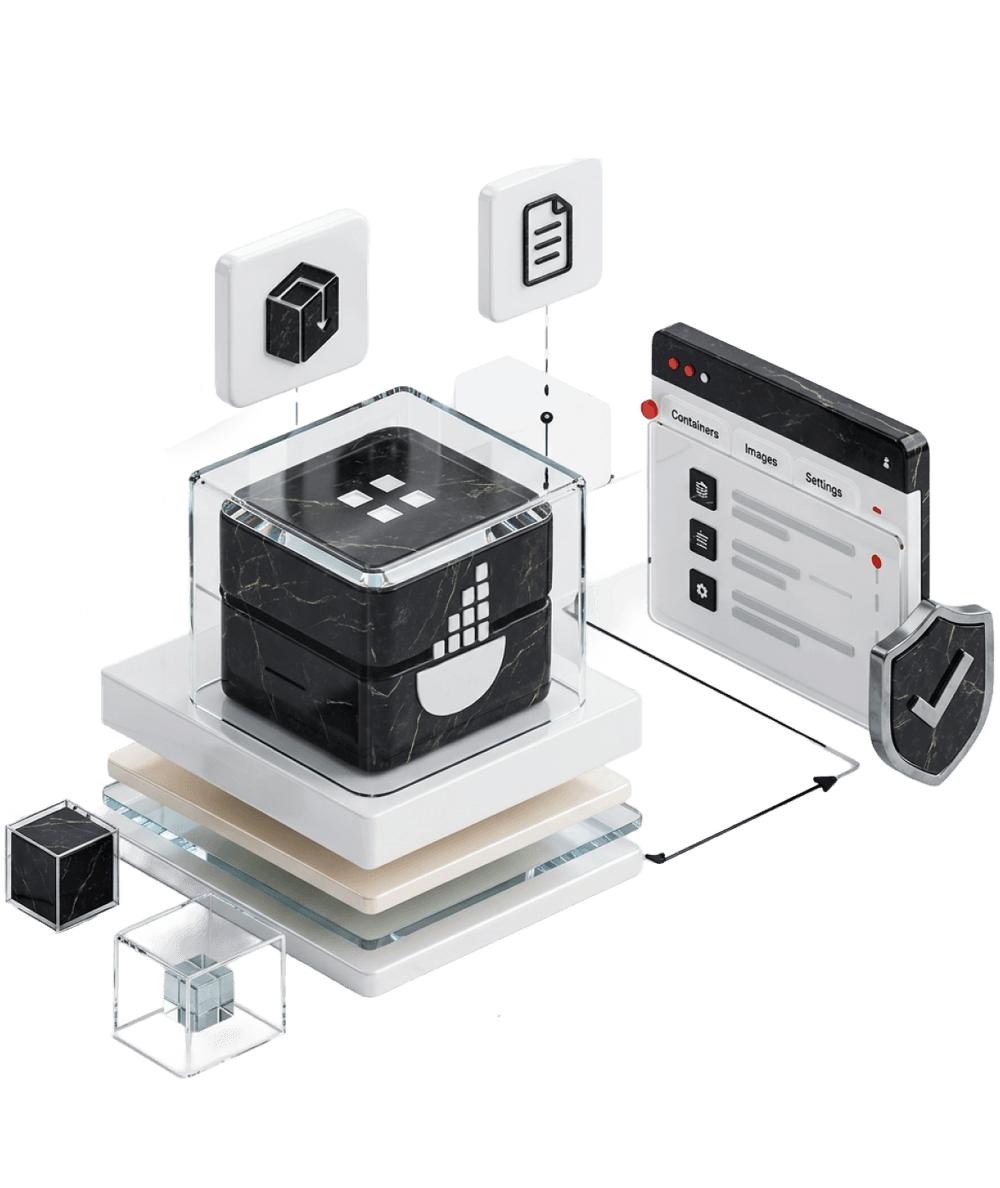
What changes once on-call responsibility moves to us
None of this is a hypothetical operating model. It's what a handful of production environments already look like, day to day.

Reliability is whoever's online

A named team, shared on-call, SLOs with an owner
Infrastructure changes happen by hand, quietly
Everything as code, drift caught automatically
Cost grows and no one can explain why
Cost tied to usage and guardrails, visible per team, market or brand
Incidents live in institutional memory rather than in a record anyone can produce on request
Runbooks and postmortems: a documented playbook
Security is added after the fact
Hardening and audit logging are part of the design
Get a free consultation with our experts and CTO
Let's talk about current challenges and see where we can help.

Proven in production
- 0+
- production environments operated across banking, FMCG and retail
- 0%
- availability against agreed SLOs
- 0%
- cloud cost reduced after FinOps review
Platforms operated for retail, banking and FMCG clients since 2008

Levels of engagement, from a single assessment to full ownership
Not every organisation needs the same amount of us, and that is usually clear within one conversation. Most engagements start around Project or Managed Service and move right as trust builds.
Have questions about platform & DevOps engineering?
Talk through infrastructure challenges
A technical conversation with engineers who operate production platforms under change control, peak load and audit.